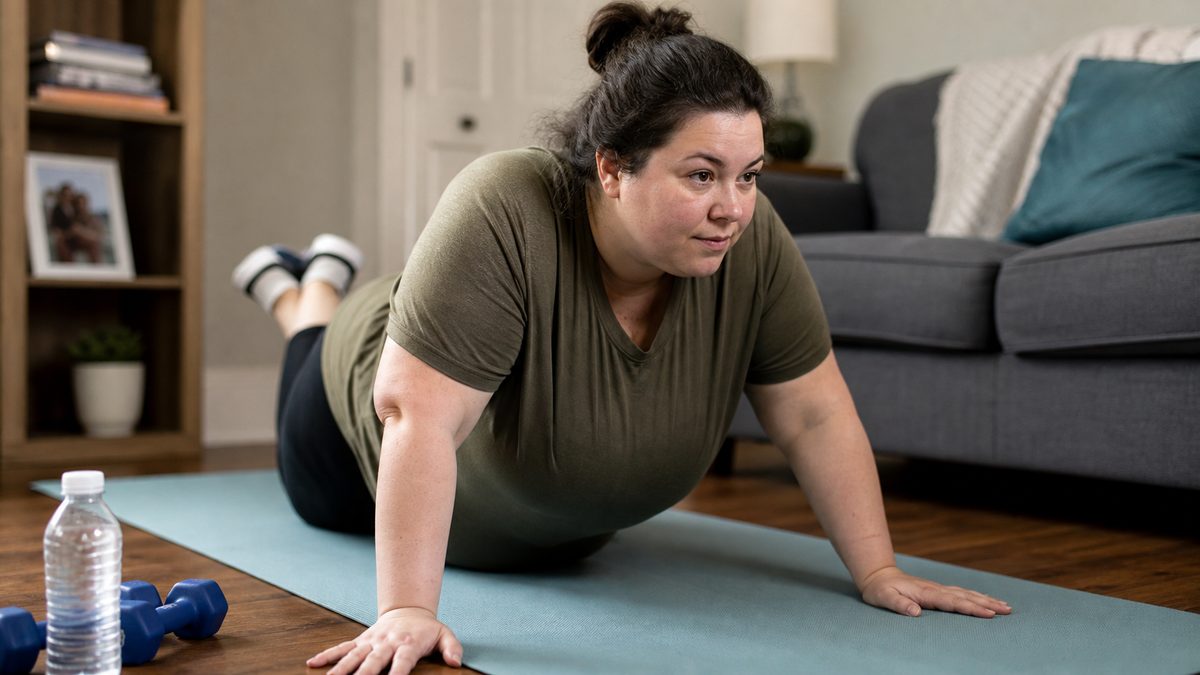
Start with ten minutes of easy movement on most days, then add time or effort only when your body handles it well. You don't need to get fit before you start. Nor do you need a tough workout, strict diet, or sudden rush of motivation. Your first goal is simple: prove you can move, recover, and come back for another session.
Exercise works when the amount suits your body right now. A small dose may feel easy, but it still builds the habit. Too much can lead to pain, extreme tiredness, or an Injury that stops you for weeks. One small, repeatable plan beats a punishing session.
What should you do before your first workout?
Pick one activity that feels safe and easy to repeat. Walking is often the simplest choice because you set the pace and can stop at any time. If walking bothers your feet or knees, a stationary bike may feel better. Swimming may suit people who enjoy water and want less pressure on their joints.
Before you start, check if you need medical advice. Speak with your doctor if you have a Chronic condition, unexplained chest discomfort, fainting, severe breathlessness, or a recent health change. Ask how your medicines might affect your heart rate, balance, hydration, or recovery.
Tell your doctor about any concern involving Drug tolerance. This means the body has become less responsive to a medicine or drug after repeated use. It's a medical issue, not something to test with a harder workout. Exercise may change how some medicines feel in your body, so follow the advice of the person who prescribed them.
Get shoes that fit, loose clothes, water, and a clear route or space ready. Clear away as many small barriers as you can. If getting ready takes longer than the session, your plan is too hard to start. Professional coaching can help you set up your space and routine correctly. professional coaching
How easy should the first sessions feel?
Your first sessions should feel easier than you expect. Aim for an effort of three or four out of ten. You should breathe faster but still be able to speak in full sentences. Stop while you feel you could do a little more.
This gentle start gives your muscles, joints, and Circulatory system time to adjust. Your heart pumps blood around your body. That blood carries oxygen to your working muscles. As you move more, these systems need time to handle the added demand.
Use this first-week session:
- Move slowly for two minutes.
- Walk, cycle, or swim at an easy pace for six minutes.
- Slow down for two minutes.
Repeat it on four days, taking a rest day whenever you need one. Ten minutes counts as Exercise. If ten minutes is too hard, do five. If you can't walk for five minutes without stopping, switch between one minute of walking and one minute seated or standing still.
Don't rate the session by sweat, calories, or soreness. Ask one question instead: could you safely repeat it within the next two days? If not, do less.
How can you tell normal effort from a warning sign?
Normal effort may include warmth, mild sweating, quicker breathing, and tired muscles. You may also feel a little stiff the next day when an activity is new. The stiffness should ease as you move and fade within a few days.
Stop if you feel chest pressure, faintness, sudden severe breathlessness, confusion, or a racing heartbeat that feels wrong. Seek urgent medical care for severe or lasting Signs and symptoms. Don't try to walk them off.
Joint pain is different from muscle effort. Stop and change the activity if you have sharp pain, swelling, limping, or pain that gets worse with each step. Pain that keeps coming back should be checked by a suitable health professional.
Body size doesn't make pain harmless or normal. Someone who feels overweight may still have a tendon problem, badly fitting shoes, or a training load that climbed too quickly. Deal with the cause. Don't blame the body.
What should your weekly plan include?
Build your week around easy movement and simple strength work. You don't need a complex split or a fresh workout every day. Repeating a few movements makes your progress easier to spot.
A useful starting week looks like this:
- Four easy movement sessions of 10 to 15 minutes.
- Two short strength sessions with at least one rest day between them.
- Rest or gentle daily activity on the other days.
For each strength session, use movements that match tasks you already do:
- Sit down on a firm chair and stand up for five repetitions.
- Push against a wall for five repetitions.
- Hold a bench and rise onto your toes for eight repetitions.
- Carry a light bag for 20 seconds on each side.
Do one round at first. Move slowly, and stop with two or more good repetitions left in you. Add a second round once the first feels steady for several sessions.
These moves build Physical strength for stairs, shopping, getting out of a seat, and staying balanced. Early on, those daily gains matter far more than lifting the heaviest weight you can manage.
How do you improve without doing too much?
Change one part of your plan at a time. Add two minutes to a walk, one repetition to a strength move, or a little more resistance. Don't raise the session length, speed, and load all at once.
Here's a simple rule: keep the same plan until it feels manageable twice in a row. Then make the smallest useful increase. If your recovery gets worse, go back to the previous level for a week.
Track recovery with plain facts:
- How did you feel during the session?
- Could you do your normal tasks later that day?
- Did pain change your movement?
- Were you ready to exercise again within 48 hours?
Your pace may improve slowly at first. That still counts. Physical fitness includes stamina, strength, mobility, and the ability to recover. Walking faster is just one sign that your body is adapting.
Will easy movement improve your heart and breathing?
Yes. Regular easy movement can improve Cardiovascular fitness when you do it often enough. Your heart, blood vessels, lungs, and muscles get better at supporting steady activity.
You may first notice that you recover more quickly after a short hill or flight of stairs. Later, that same route may feel easier. These changes count even when your body weight stays the same.
Use the talk test instead of chasing a target heart rate. Medicines, stress, heat, caffeine, and poor sleep can all change your pulse. During an easy session, you should still be able to say a full sentence. During a short moderate stretch, talking may take more effort, but you should stay in control.
After two or three steady weeks, add three one-minute periods at a slightly faster pace. Put two easy minutes between each one. This gives your heart a fresh task without making the whole workout a grind.
What if walking hurts or feels uncomfortable?
Change the movement before you drop the plan. Take shorter steps, slow down, pick a flat route, or break one session into smaller blocks. Check your shoes for worn soles, rubbing, or weak support.
If impact still feels uncomfortable, try a bike, pool walking, or Swimming. Water supports some of your body weight, which can make movement feel smoother. But swimming also needs a gentle start. Begin with short lengths or easy water walking, as breath control and shoulder work may tire you sooner than you expect.
Chair-based movement counts too. Seated marching, light band pulls, and slow leg extensions can build your ability for standing activity. The best choice is one you can do safely and build on over time.
Do you need to lose weight before exercise becomes useful?
No. Exercise can improve your health and daily function before the number on the scale changes. Better sleep, steadier energy, less effort at rest, and easier movement may show up first.
Weight loss doesn't prove that a plan is safe or works well. A harsh plan may lower weight while draining your energy and raising the risk of Injury. A good plan lets you train, recover, and keep living your normal life.
Measure what your body can do. Record how long you can walk with control, how many chair stands you complete, or how fast your breathing settles. These numbers reveal real gains that body weight can hide.
One common mistake is using exercise to punish yourself for eating. That turns movement into a debt and makes a missed session feel like failure. Use food to support health, and use training to build ability. If you want help with food, speak with an accredited practising dietitian.
How do you keep going when motivation drops?
Make the session easy enough to start on a rough day. Set a minimum of five minutes. Once those five minutes are done, you can stop without guilt. This keeps the habit alive while making room for tiredness, illness, or a packed day.
Link movement to a steady part of your routine. Walk after breakfast, train before your evening shower, or visit the pool at the same time each week. A set cue ends the daily argument about when to start.
Keep your gear in sight and your choices few. Pick your route before the week begins. Put two strength sessions in your calendar. And keep an indoor option ready for bad weather.
Missing one session doesn't wipe out your progress. Just return for the next planned session. Don't double the workout to catch up. Consistency grows when coming back feels normal.
When would personal support help?
Support may help if you have getting back into exercise, or no clue how to change a movement. A personal trainer can choose a safe starting level, teach movement skills, and adjust the plan as you improve. A physiotherapist or exercise physiologist may suit you better when pain or a medical issue affects what you can do.
Good coaching should help you understand your body. You should know why each movement is there, how hard to work, and when to stop. A session shouldn't be hard just so the coach can prove they worked you.
Your plan must fit your actual week. If travel, caring duties, shift work, or poor sleep cuts into your time, short sessions are a smart design choice. They aren't a lesser kind of training.
What should you do over the next seven days?
- Choose walking, cycling, water movement, or another low-impact activity.
- Schedule four ten-minute sessions.
- Complete one round of the four strength movements twice this week.
- Record effort, pain, and recovery after each session.
- Keep the same plan if recovery is good, then add two minutes the following week.
Your single takeaway is to finish your first ten-minute session while you still feel capable, then repeat it before you make it harder.